We Did It, Portland: How a Community Turned Years of Care Into Public Policy
Portland City Council unanimously passed the Portland Psychedelic Health & Safety Act.
On September 30, 2026, the Portland City Council unanimously passed the
Portland Psychedelic Health & Safety Act.
Ten councilors voted in favor, with two absent. Every councilor present voted yes.
After years of organizing, listening, educating, writing, revising, testifying, waiting, and continuing to show up, the policy is now becoming part of
Portland City Code.
Let’s just say it plainly...
We did it!
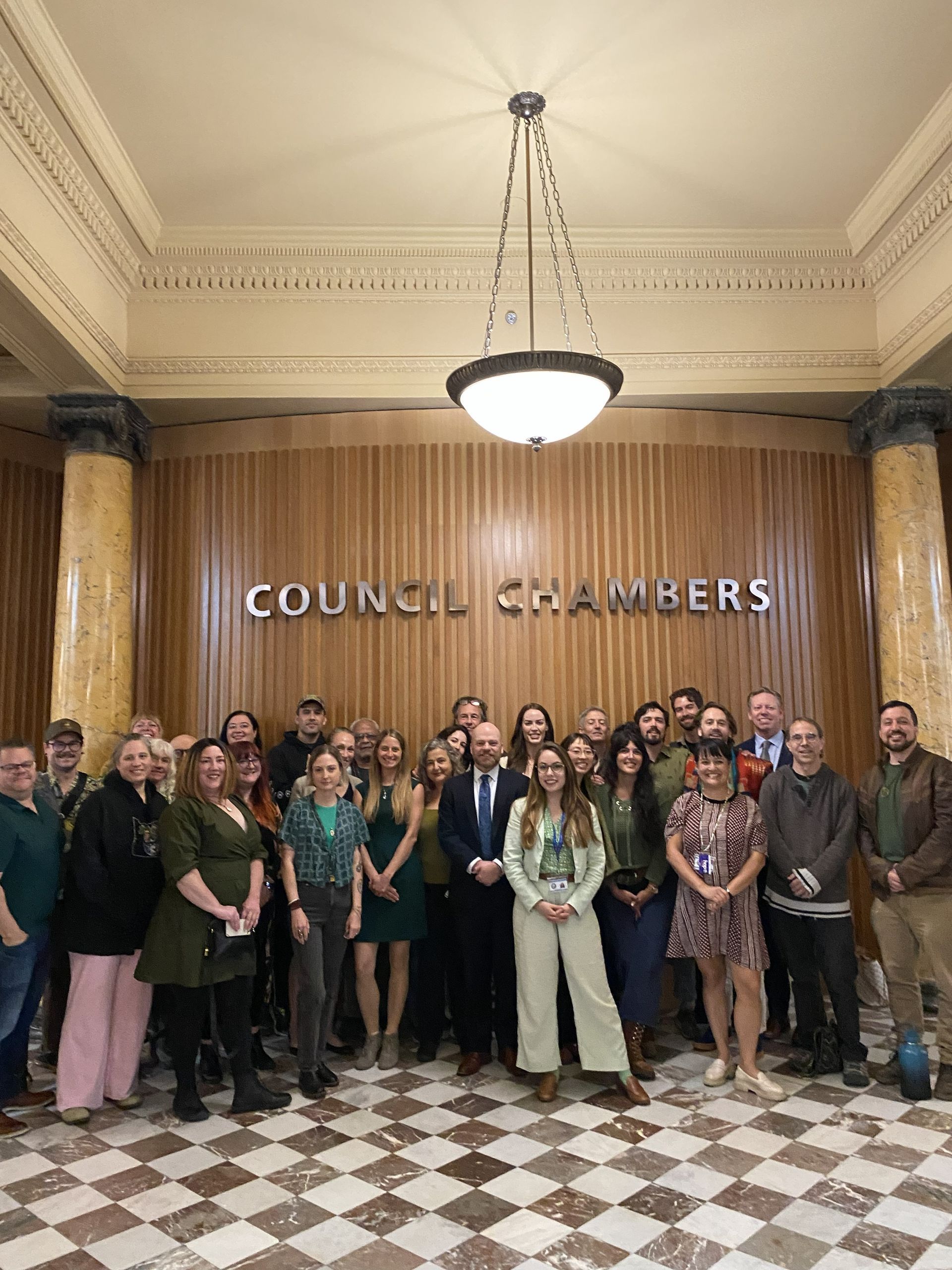
This story began long before City Hall
This victory did not begin with a policy proposal or a meeting with a city councilor.
Nearly 12 years ago,
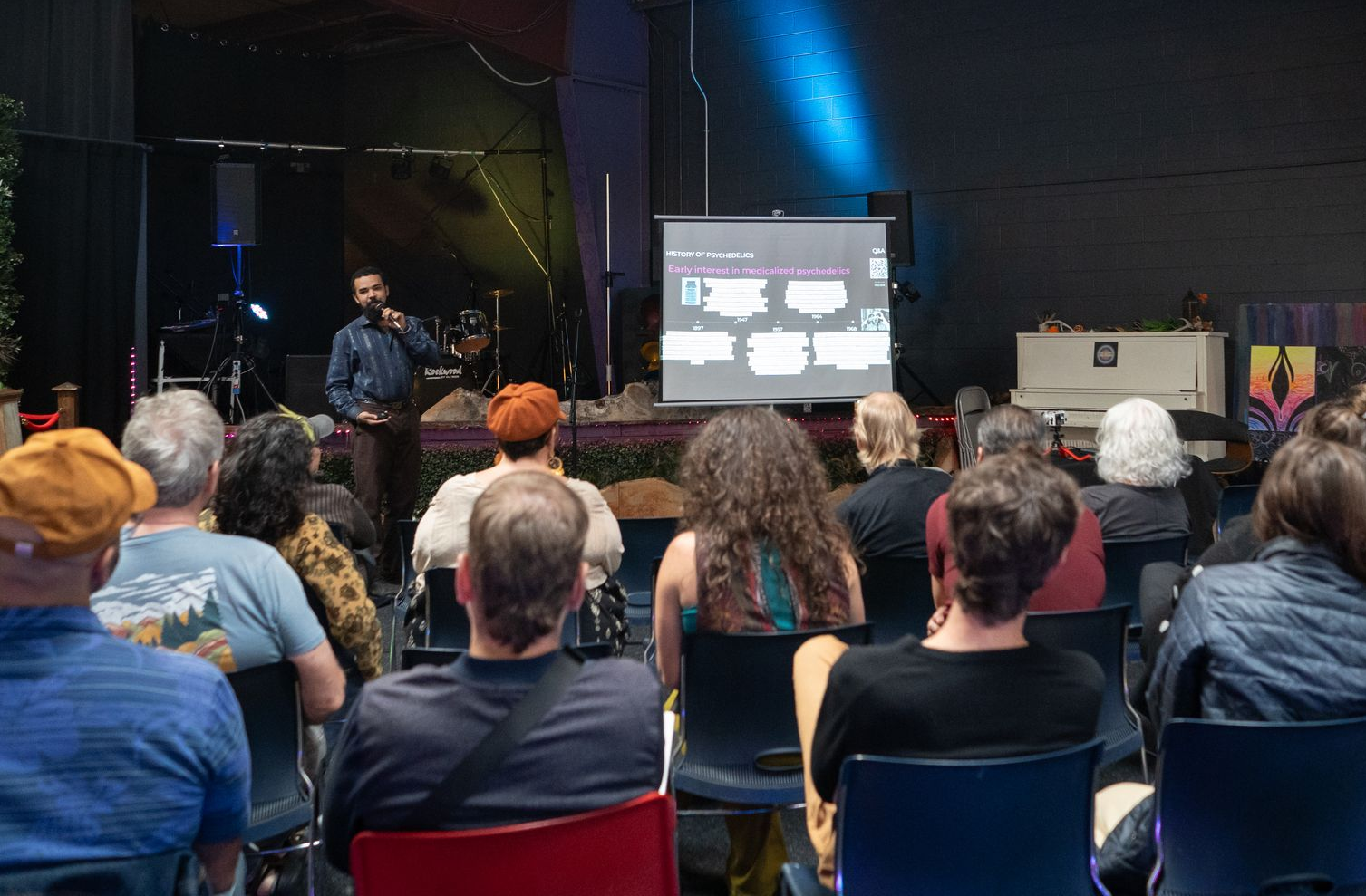
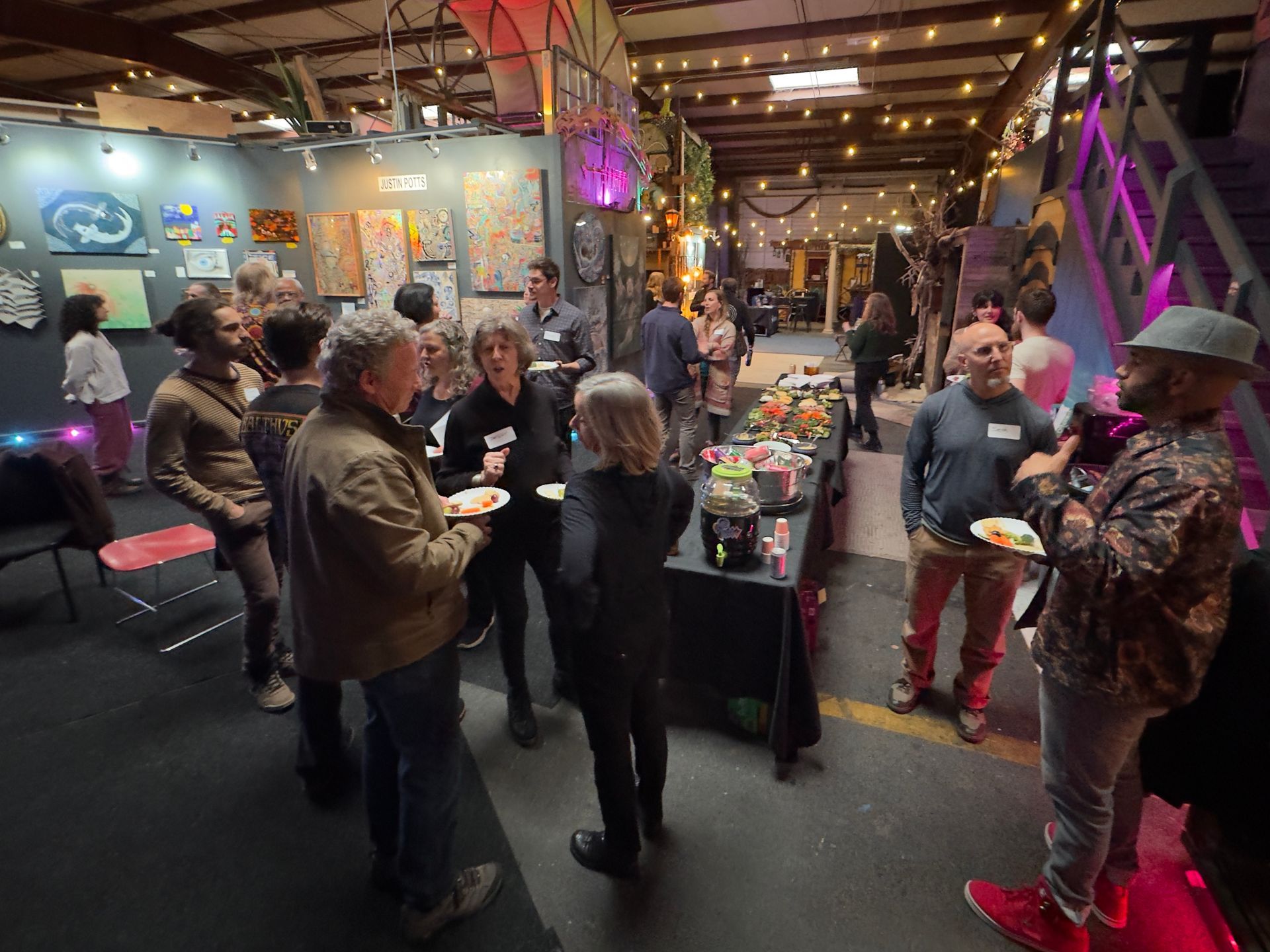
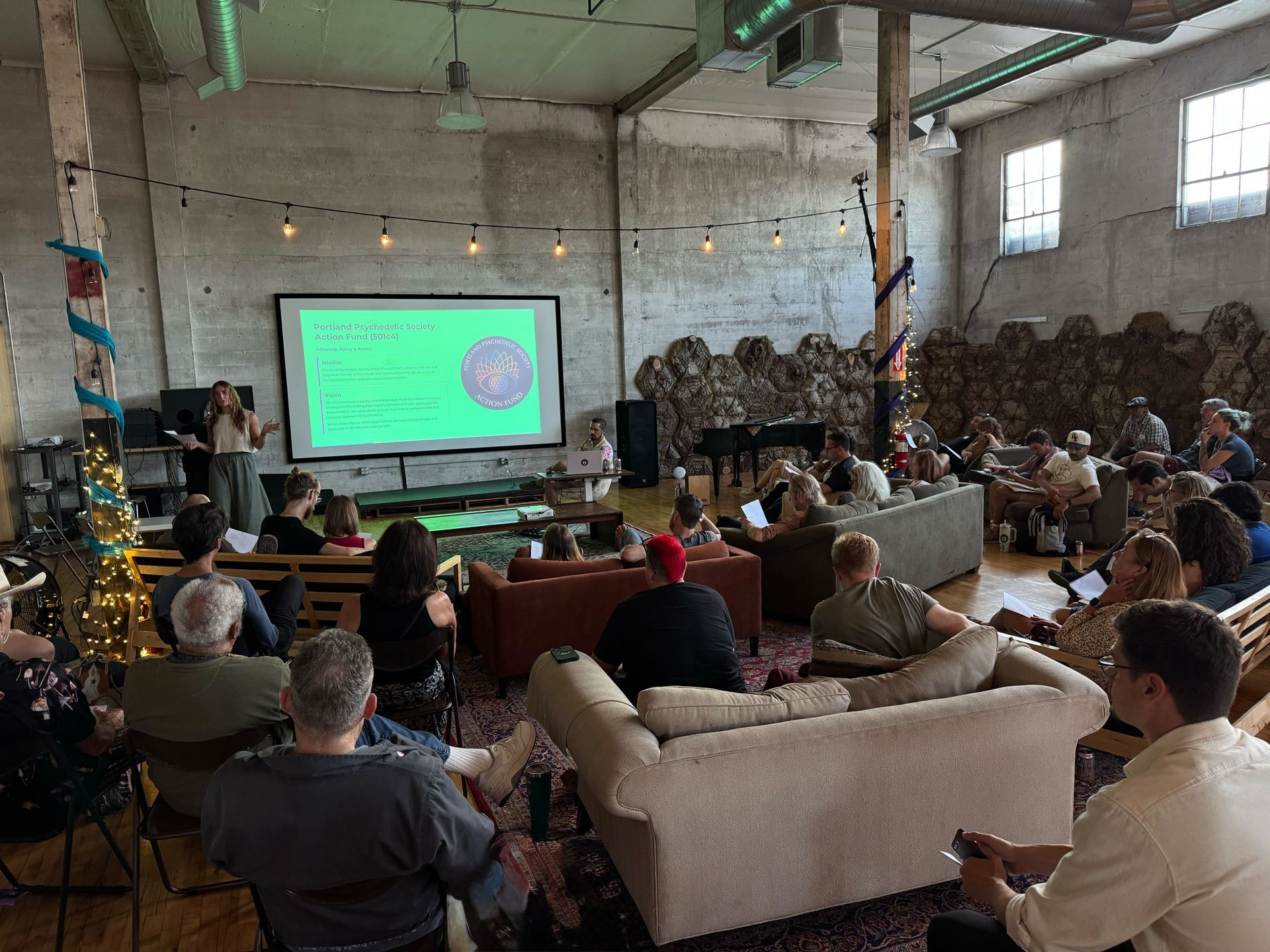
Portland Psychedelic Society began with people meeting through Meetup and gathering in rooms around Portland. They came together because they needed places to talk honestly about experiences that were often difficult to explain anywhere else.
Over time, those gatherings became educational programs, integration circles, conferences, advocacy efforts, and a community of thousands. People found trusted information, friendship, healing, and the reassurance that they were not alone.
The policy itself has its own history.
Before Portland Psychedelic Society took up this effort, the Plant Medicine Healing Alliance had already brought together local advocates, practitioners, traditional healers, policy thinkers, and community members around a shared vision for safer and more equitable access to natural medicines.
In January 2024, PPS picked up that torch. We knew that moving from community vision to public policy would require sustained organizing, legal and policy expertise, and the ability to advocate directly for legislative change. That led us to establish the Portland Psychedelic Society Action Fund, a separate 501(c)(4) advocacy organization.
None of this would have been possible without the vision, guidance, and financial support of Dr. Bronner’s Magic Soaps. Their support gave us the capacity to build the infrastructure behind this campaign, work with experienced policy advocates, engage stakeholders, and sustain the effort through a long and often uncertain process.
We are deeply grateful to David Bronner and his dedicated staff for believing in what this community had been building and helping us carry it forward.
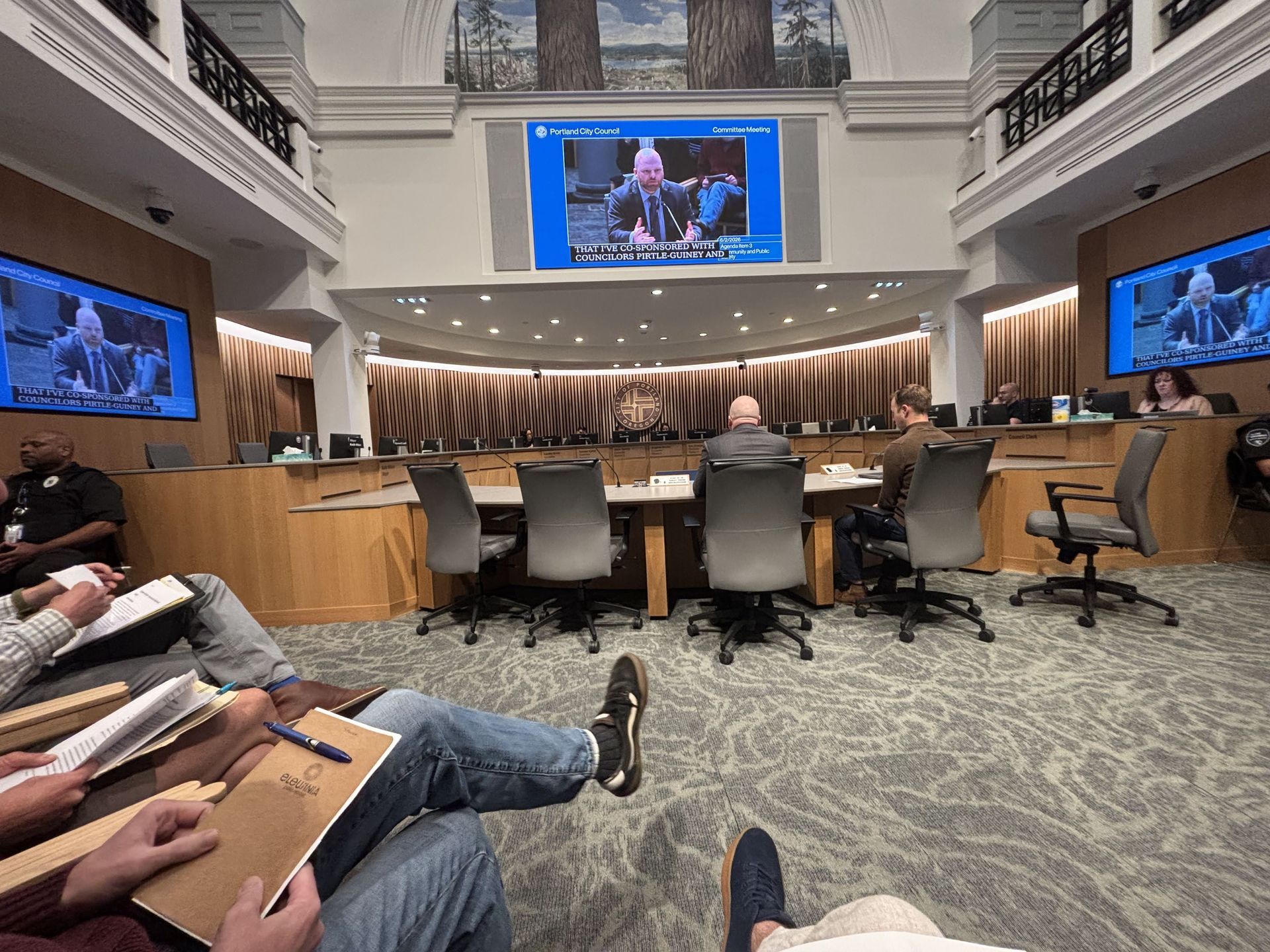
Portland joins a growing movement
Portland is not alone in reconsidering how naturally occurring psychedelics fit within public policy.
Dozens of municipalities and jurisdictions across the country have adopted policies making the personal, noncommercial use of natural psychedelics a low priority for law enforcement. These communities have recognized that access cannot be understood through only one model.
Oregon’s regulated psilocybin services program created a groundbreaking legal pathway. That pathway is important, and it continues to help thousands of people. But it was never going to be the whole picture.
Many people face financial, cultural, geographic, or institutional barriers to regulated services. Others come to these medicines through spiritual traditions, community relationships, personal cultivation, or practices that exist outside clinical and commercial settings.
These pathways do not need to compete. They answer different questions and serve different people.
The Portland Psychedelic Health & Safety Act helps fill that gap. It makes the personal, noncommercial use, cultivation, gathering, processing, gifting, and sharing of naturally occurring psychedelics one of Portland’s lowest law-enforcement priorities.
The policy does not legalize or decriminalize psychedelics. It does not change state or federal law, authorize commercial sales, or excuse impaired driving or other unsafe conduct.
What it does is put Portland’s enforcement priorities into durable public policy. It allows limited public safety resources to remain focused on trafficking, violence, overdose risk, impaired driving, and conduct causing more immediate harm.
It also provides something less tangible, but deeply important: greater psychological safety.
For people already seeking healing, spiritual growth, community, or a deeper understanding of themselves, fear of arrest and prosecution can reinforce secrecy, shame, and isolation. A lowest-priority policy does not eliminate all legal risk, but it sends a meaningful signal about how Portland intends to use its resources and how our city sees the people making these choices.
When the testimony landed
Anyone who has worked in advocacy knows that victory is never guaranteed.
Policymakers are asked to weigh countless needs, causes, risks, and competing demands. Support can shift. Timelines change. Policy language gets revised. Even when an idea feels simple or compassionate to the people closest to it, government requires patience, persistence, and the willingness to keep making the case.
We spent many hours talking with city officials and their staff about what this policy would do, what it would not do, and why it mattered. Community members shared research, professional expertise, lived experience, and deeply personal stories.
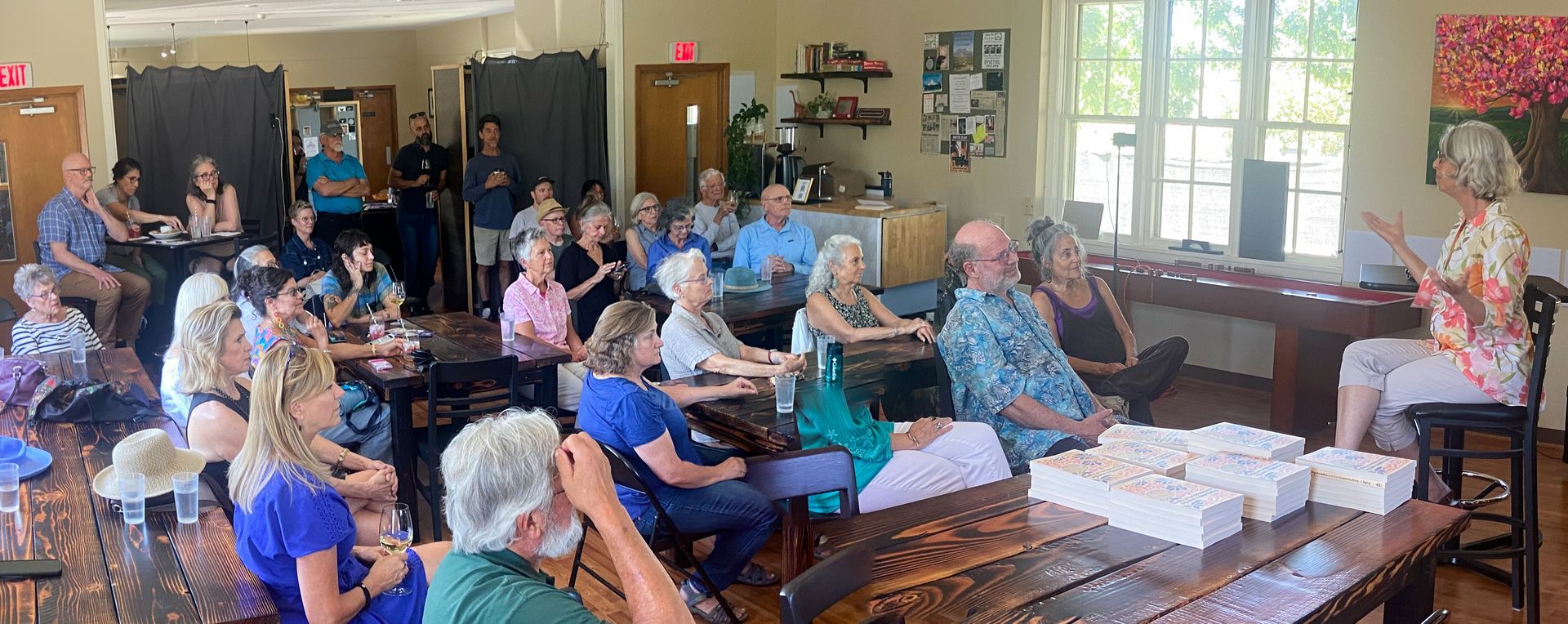
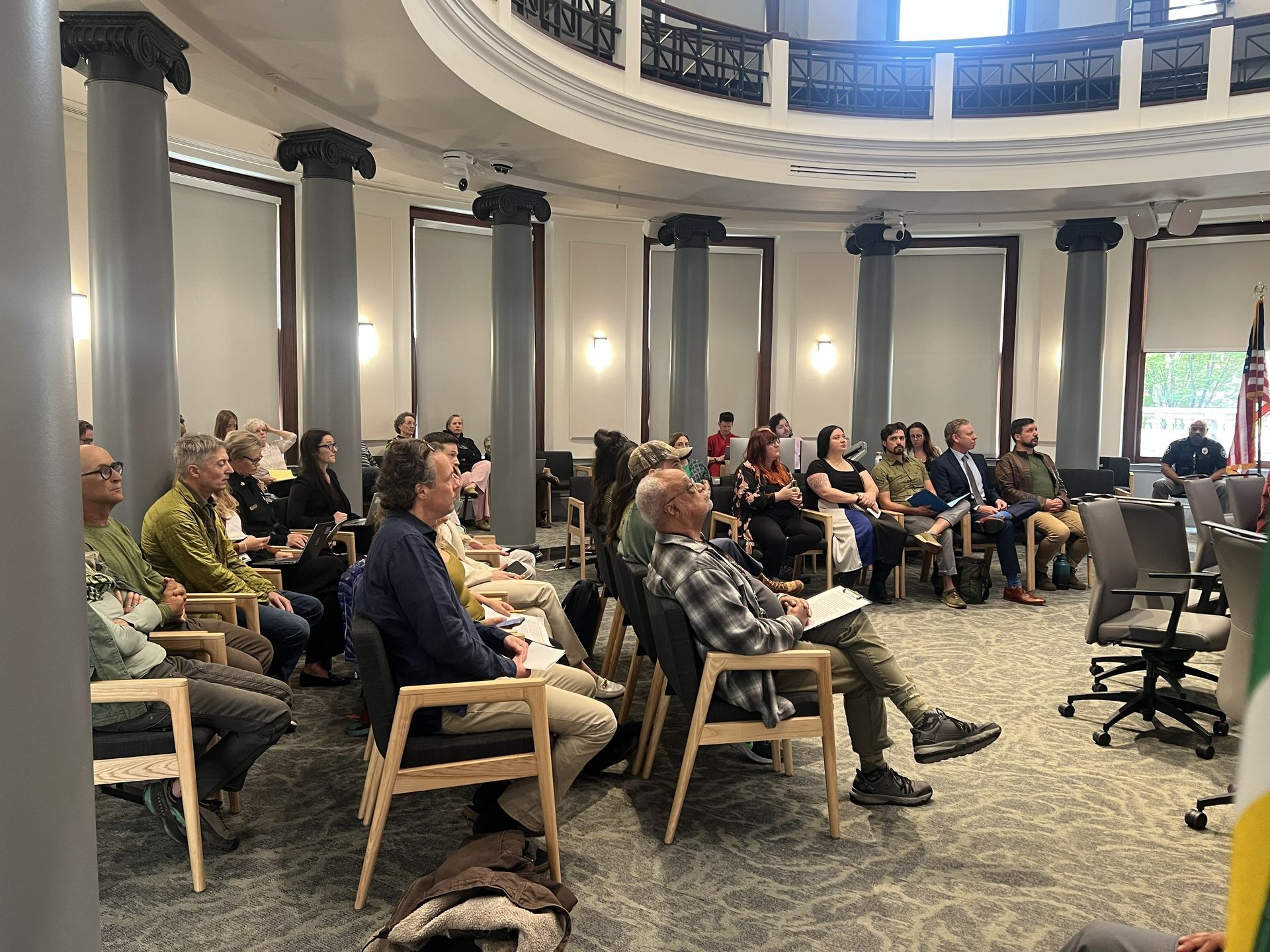
That work came together on September 23, when Portland City Council held the Act’s first reading and heard public testimony.
Sixteen people testified. Veterans spoke about PTSD and finding reasons to keep living. Facilitators and mental health professionals described what they had witnessed in their work. Researchers spoke about the evidence. Community members spoke about stigma, unequal access, and the psychological safety that comes from being able to seek trustworthy information without fear or shame.
Amy Charlesworth, a licensed psilocybin facilitator and 16-year military veteran, told Council:
“It is in my experience with psilocybin and psychedelics that I am alive today, giving this testimony to you.”
There were tears in the room. There were moments of recognition and connection. You could feel that the testimony was not simply being heard. It was landing.
Councilor Mitch Green spoke openly about his own experience with PTSD and the emotion he felt hearing from fellow veterans. Vice President Olivia Clark said the testimony had changed her thinking. Councilor Angelita Morillo captured the spirit of the moment:
“It is such a simple thing that can make people’s lives better.”
We felt incredibly fortunate that our city officials made time to listen honestly, see the people in front of them, and allow their stories to matter.
That is what civic participation is supposed to feel like.
WATCH THE SEPTEMBER 23 TESTIMONY AND COUNCIL DISCUSSION
(our section begins at 2:20:13 through to the end)
The policy changed, but its heart remained
The ordinance that passed was not identical to the original vision.
During the committee process, the proposed Portland Psychedelics Advisory Commission was removed from the ordinance. We believed the commission could have created an ongoing place for community knowledge, public education, safety guidance, and accountability within city government.
We were disappointed to lose it.
But the substance at the heart of the ordinance remained: Portland would place the personal, noncommercial use of naturally occurring psychedelics among its lowest law-enforcement priorities.
The removal of the commission also made something else clear. Government policy alone cannot provide all the education, integration, relationship-building, and community support that people need.
That work still belongs to all of us.
Portland Psychedelic Society will continue creating spaces where people can learn, gather, integrate powerful experiences, and speak honestly without fear, shame, or stigma. The Action Fund will continue advocating for policies that recognize the realities of psychedelic use and move us toward greater safety, clarity, and equitable access.
We are standing on many shoulders
Modern research has helped bring psychedelics back into public conversation, but this story did not begin in a laboratory.
Indigenous cultures have stewarded plant medicines and the knowledge surrounding them for millennia. The early modern psychedelic movement opened new questions about consciousness, healing, creativity, and human connection before much of that work was interrupted by criminalization and the war on drugs.
Researchers, clinicians, advocates, facilitators, educators, and people willing to share their own vulnerable experiences have helped carry the conversation into this new era.
Our responsibility is not simply to celebrate growing interest in psychedelics. It is to ask what kind of culture, community, and public policy we are building around them.
Will people have access to honest information? Will they have somewhere to turn when an experience is difficult or confusing? Will healing be available only to people who can afford a regulated service? Will people from communities historically harmed by drug enforcement feel safe enough to ask for support?
At the heart of this effort is a belief in equitable access, freedom of consciousness, and greater agency over one’s own healing, spiritual growth, and mental health.
This ordinance is one measured step toward that vision.
This victory belongs to all of us
This is bigger than any one organization, individual, or group of people.
It belongs to the Plant Medicine Healing Alliance and the advocates who began shaping this vision before PPS carried it forward. It belongs to the people who helped form the Action Fund, write and review the policy, meet with elected officials, organize testimony, answer difficult questions, and stay engaged through every delay and revision.
It belongs to the people working on the ground every day, whether within Oregon’s regulated system or through education, integration, community care, research, spiritual practice, and peer support.
It belongs to everyone who attended an event, volunteered, donated, offered expertise, endorsed the Act, shared the campaign, brought a friend into the conversation, or told a story they once felt they had to keep private.
Every voice added momentum. Together, those voices reached City Hall and changed public policy.
Thank you to our board members, volunteers, testifiers, stakeholders, policy representatives, partner organizations, donors, and the many community members who encouraged us to keep going.
Thank you to the City Council sponsors and staff who took this proposal seriously and helped it navigate the legislative process.
Thank you to the ten councilors who voted yes.
And thank you to the generations of people who kept these medicines, practices, questions, and possibilities alive long before this vote was imaginable.
Portland is the beginning, not the finish line
Today, Portland joins dozens of communities that have decided prosecution should not be the primary response to the personal, noncommercial use of natural psychedelics.
That is significant. It also leaves much more to do.
A city can decide how its police prioritize their work, but it cannot change state law. Oregonians outside Portland still face a different policy landscape. People throughout the state continue to need clear information, safer practices, integration support, regulated services, and policies that recognize personal and community-based pathways.
The next chapter will include building on Portland’s experience and working toward thoughtful, science-based statewide policy. It will also require continuing to protect and strengthen Oregon’s regulated psilocybin services program.
There is room for multiple pathways. There must be.
For now, though, we are taking in this moment.
A movement that grew through Meetups, living rooms, community halls, integration circles, and countless honest conversations has now changed the law of Oregon’s largest city.
We did it, Portland.
With deep gratitude,
Max Kelemen
Executive Director
On behalf of the board of directors for:
Portland Psychedelic Society (501c3) and Portland Psychedelic Society Action Fund (501c4)
share
RECENT ARTICLES